- Contact usFR +33 450 872 109 US/CA +1 (646) 980-2407
- - Newsletter
- - Follow us


-

Home > Articles and tour tips > French Alps > French Alps Regional Information
11-03-2025
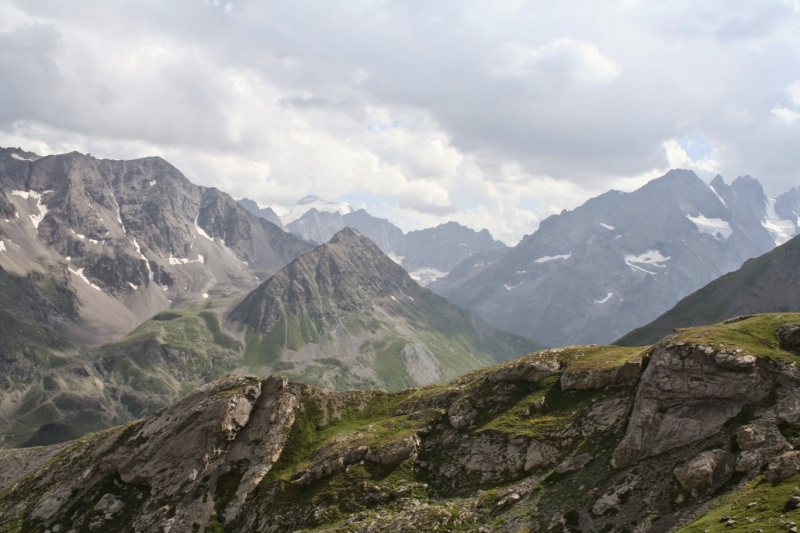
In this article, we cover the basics you need to know before traveling or cycling to Switzerland and the French Alps. You'll learn about ways to travel to the region, things to see and do, and more.
For travel tips, we recommend:
Whether you arrive by air or land, Geneva—the start of our tours—is easy to reach and well serviced by trains and international airlines. Learn more here:
How to get to Geneva, The French Alps and Lyon
If you wish to travel by train with your bike to Geneva, read:
You may choose to rent a car in France for part of your journey. Dealers can be found at all airports and TGV stations.
Compare rental companies online:
Drivers must be over 20 in Switzerland and over 21 in France (extra fees may apply for ages 21–25). A valid driver’s license is required; an international license is helpful.
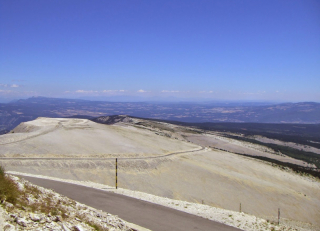
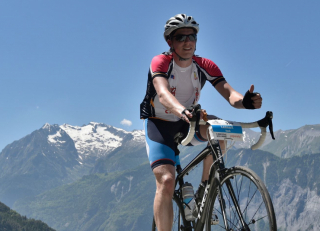
If you're planning a challenging cycling adventure involving mountain passes, we recommend traveling between late May and late September. Many iconic climbs—Madeleine, Galibier, Croix-de-Fer—may be closed from late September to early May due to snow. For winter sports, visit between late November and March.
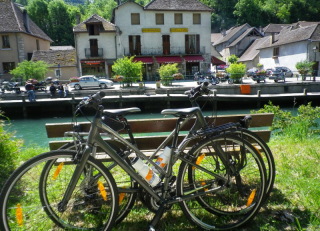
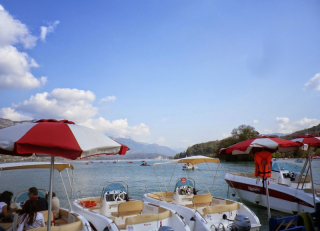
Winter sports such as skiing, snowboarding, and snowshoeing are extremely popular. In warmer months, you can follow legendary cycling routes, explore towns like Annecy, swim in lakes, paraglide, hike, or enjoy boat rides and water sports.
.jpg?1548428148749)
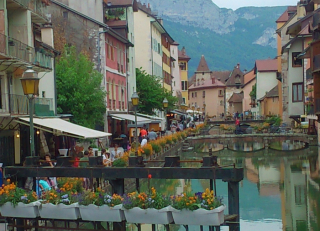
Among all Alpine towns, Annecy has a lot to offer. Learn more:
You don’t need to be a champion to conquer the Alps. Several easy to moderate tours are available, such as:
If you're a challenge seeker, the Alps offer the toughest cycling terrain in France. We ensure riders are physically prepared—beginners are not advised to start here.
If you can’t join a full tour, we offer bike rentals through our sister brand, Geneva Cycling. Choose from road, electric, gravel, and hybrid bikes.
.JPG?1548428157197)
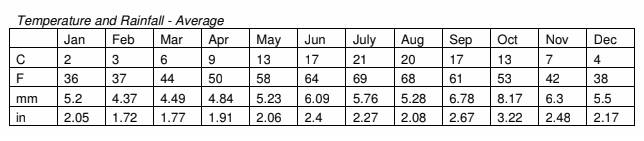
Climate varies by elevation. Higher altitudes have snowy winters and warm, sometimes rainy summers. Lower elevations experience similar winters with less snow and hot summers. Late-summer thunderstorms can appear suddenly.
Switzerland is known for cheese, chocolate, Swiss Army knives, and watches—all available in Geneva. For more local Alpine products, look for wool goods, woodcrafts, and traditional pottery.
Traditional Alpine cuisine features pork products, lake fish, and exceptional cheeses such as Tomme, Beaufort, and Reblochon. Desserts often include berries, apples, or chocolate.
Try these classics:
Haute-Savoie produces excellent dry and fruity white wines, including Abymes, Apremont, Chautagne, Chignin, Cruet, Jongieux, Montmélian, and Saint-Geoire-Prieuré. Light reds and rosés include Savoie Gamay, Marin, and Crépy.
Notable markets by location and day:
Ready for your next adventure with Cyclomundo? Contact us.
Traveling tips for Castilla and Leon
Gravel Bikes: The Perfect Companion for Exploring Europe’s Most Scenic Bike Tours
Is an e-bike the right choice for me?
Alsace (6)
Andalusia (7)
Annecy (3)
Apulia (4)
Avignon (2)
Brittany (3)
Catalonia (6)
Corsica (3)
Cycling tips (20)
Dolomites (3)
Emilia-Romagna (2)
Events (7)
France (35)
French Alps (12)
General (71)
Getting there (17)
Girona (1)
Ile-de-France (2)
Italy (17)
La Rioja (3)
Languedoc (4)
Loire Valley (5)
Madrid (2)
Normandy (7)
Our Bikes (7)
Piedmont (4)
Portugal (3)
Provence (11)
Pyrenees (3)
Sicily (2)
Spain (18)
Switzerland (8)
Travel tips (25)
Tuscany (3)
Uncategorized (0)
Veneto (6)